“New Garden” search results (800)

Introduction to Galapagos Coffee producing area
Because of the unique role of the Galapagos Islands in the course of history, the Government of Ecuador has designated the Galapagos Islands as a national park, the land is no longer allowed to be reclaimed as new agricultural land, and the introduction and use of chemical fertilizers, pesticides, herbicides and other chemicals are strictly prohibited, so coffee produced in the Galapagos Islands is recognized as a natural product. Ecuador ES Coffee South Ecuador
2016-07-27 Ecuador coffee flavor taste introduction Lapa Goss producing area due to pull
Introduction to the production and processing of coffee beans in Ethiopia
Production and processing of coffee beans the geographical environment of Ethiopia is very suitable for coffee growth. Mocha coffee is mainly grown in the southern highlands between 1100 and 2300 meters above sea level. The main coffee producing areas are Harald (Harar), Limu (Limu), Djimma (Djimma), Sidamo (Sidamo), Kaffa (Kafa) and Yergacheffe (Yega).
2016-06-12 Ethiopia coffee beans production processing introduction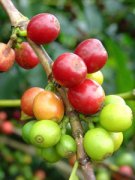
Production and processing of coffee flavor of Ethiopian coffee beans
Ethiopia's geographical environment is very suitable for coffee growth. Coffee is mainly grown in the southern highlands between 1100 and 2300 meters above sea level. The main coffee producing areas are Harar, Limu, Djimma, Sidamo, Kaffa, Yergacheffe and Wellega. The soil drainage in these areas is good.
2016-05-16 Coffee production processing Ethel Searle Biya Coffee beans Flavor Ethiopia Earth
A brief History of World Coffee (3)
An English coffee shop was born in Boston in 1688. Coffee cultivation began in 1696 from the Netherlands and western India to Java. Coffee was successfully cultivated on the Dutch island of Java in 1699. In 1706, cafes in Java shipped goods to the Netherlands for the first time. At the same time, the seedlings were sent together and planted in the Amsterdam Botanical Garden. In 1720, F in Venice
2014-05-23 Coffee history
Boutique Coffee introduced by Manors in Sidamo Coffee Bean producing area of Ethiopia
Due to different planting methods, coffee can be divided into three types: forest-semi-forest coffee (Forest or semi-forest coffee), courtyard coffee (Garden coffee) and plantation coffee (Plantation coffee). 60% of the coffee belongs to forest-semi-forest coffee. In such a wild coffee forest, pesticides are not used at all, but biological methods are used to control pests. thirty-five
2016-07-01 Ethiopia Dharma coffee beans producing areas manors introductions boutique coffee due to
Introduction of Coffee Variety characteristics and Flavor description in Xidamo Chiso producing area of Ethiopia
Ethiopian coffee is harvested once a year. The beautiful white coffee flowers bloom from March to April, and then the fruit begins to grow. From September to December, the red coffee fruit is ripe for picking. The new season of coffee begins to be exported from November to December. At present, about 25% of the Ethiopian population directly or indirectly depends on coffee production for a living. The majority of farmers use traditional planting methods. Manual care of coffee trees, using
2016-09-29 Ethiopia Dharma Shaquiso producing areas Coffee varieties characteristics Flavor description
World Coffee-3
An English coffee shop was born in Boston in 1688. Coffee cultivation began in 1696 from the Netherlands and western India to Java. Coffee was successfully cultivated on the Dutch island of Java in 1699. In 1706, cafes in Java shipped goods to the Netherlands for the first time. At the same time, the seedlings were sent together and planted in the Amsterdam Botanical Garden. In 1720, F in Venice
2014-08-07 Coffee knowledge World Coffee Coffee Encyclopedia
Boutique coffee beans the latest Ethiopian coffee introduces unique flavor and full taste
Ethiopia's geographical environment is very suitable for coffee growth. Coffee is mainly grown in the southern highlands between 1100 and 2300 meters above sea level. The main coffee producing areas are Harar, Limu, Djimma, Sidamo, Kaffa, Yergacheffe and Wellega. The soil drainage in these areas is good.
2016-01-04 Boutique coffee beans latest Ethiopia coffee introduction flavor unique taste
Brand weakening capacity shrinking Xinglong Coffee is in trouble
According to Hainan Daily, reporter Sun Hui used to be a brand that could break a hole even if it was thrown on the ground. The Sun River Coffee Factory, the first coffee processing factory in New China, was born here. After being tasted by many party and state leaders, Premier Zhou Enlai left Xinglong Coffee, a world-class sigh. Xinglong Coffee, once a household name, is the darling of supermarkets and specialty stores. However,
2015-03-26 Brand weakening capacity shrinking booming coffee in trouble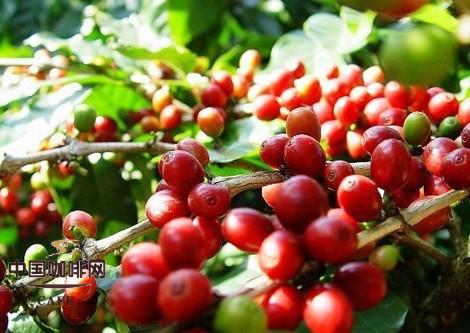
Ethiopian boutique coffee Ethiopian geographical environment Ethiopian coffee harvest fruity flavor in a year
Ethiopia's geographical environment is very suitable for coffee growth. Coffee is mainly grown in the southern highlands between 1100 and 2300 meters above sea level. The main coffee producing areas are Harar, Limu, Djimma, Sidamo, Kaffa, Yergacheffe and Wellega. The soil drainage in these areas is good.
2016-07-12 Ethel Searle Biya boutique coffee Ethiopia geography one year harvest
Production and processing of Ethiopian Coffee
Ethiopia is one of the major producers of Arabica coffee in Africa, producing the best Arabian coffee in the world. It is said that coffee was first discovered by shepherds in Essekafa, and the name of coffee evolved from Kafa, so Essex is still the hometown of coffee. Ethiopia's geographical environment is very suitable for coffee growth. Coffee is mainly grown at 1100 meters to 2300 meters above sea level.
2015-03-09 Ethiopia coffee production processing Africa Arabia
Boutique coffee beans Ethiopian coffee the latest coffee introduces a unique flavor full of taste
Ethiopia's geographical environment is very suitable for coffee growth. Coffee is mainly grown in the southern highlands between 1100 and 2300 meters above sea level. The main coffee producing areas are Harar, Limu, Djimma, Sidamo, Kaffa, Yergacheffe and Wellega. The soil drainage in these areas is good.
2015-12-31 Boutique coffee beans Ethiopia coffee latest introduction flavor unique taste
Coffee industry news domestic coffee information China Coffee Network
Since cafes from all over the world competed to compete in Shanghai in the 21st century, Shanghai's state-owned and private enterprises have revived the coffee industry in Shanghai, and the red house has expanded to become the largest western coffee restaurant in Shanghai. Heilongjiang people have invested in the construction of 3000 square meters of Yunlu large cafes in Shanghai; Hunan people have set up Weishang coffee chains in Pudong New area and other places; Beijingers in Peninsula Garden
2016-04-15 Coffee Industry News domestic Information China
Introduction to Hawaiian Kona Coffee with rich aroma and uniform acidity
The good quality of Kona coffee should be suitable for the right geographical location and climate. Coffee trees grow on the slopes of volcanoes, and their geographical location ensures the altitude needed for coffee growth; the dark volcanic ash soil provides the necessary minerals for coffee; the climatic conditions are very suitable, and the morning sun gently passes through the steamy air. In the afternoon, the mountains will become more humid and
2016-06-20 Taste full-bodied aromatic acidity evenness Hawaii Kona coffee introduction
Sun Coffee Ethiopian Coffee introduction Fine Coffee beans Yega Snow Coffee Gediyo Eastern Highland Mountains
Due to different planting methods, coffee can be divided into three types: forest-semi-forest coffee (Forest or semi-forest coffee), courtyard coffee (Garden coffee) and plantation coffee (Plantation coffee). 60% of the coffee belongs to forest-semi-forest coffee. In such a wild coffee forest, pesticides are not used at all, but biological methods are used to control pests. thirty-five
2016-07-06 Sun Coffee Ethiopia introduction Fine goods Coffee beans Yega Snow Coffee Ge
Sun Coffee Ethiopian Coffee introduction Fine Coffee beans Yega Snow Coffee Gediyo Eastern Highland Mountains
Due to different planting methods, coffee can be divided into three types: forest-semi-forest coffee (Forest or semi-forest coffee), courtyard coffee (Garden coffee) and plantation coffee (Plantation coffee). 60% of the coffee belongs to forest-semi-forest coffee. In such a wild coffee forest, pesticides are not used at all, but biological methods are used to control pests. thirty-five
2016-07-06 Sun Coffee Ethiopia introduction Fine goods Coffee beans Yega Snow Coffee Ge
11 gourmet cafes that Ukraine has to go to
In New Zealand on the other side of the ocean, at this moment, foodies are partying. Because here, it's time for the annual Metro selection again. As one of the countries with the strongest coffee culture in the world, New Zealand is famous for its wide variety of coffee and good taste. On the streets of Oakland, different Caf can be found in less than a hundred meters, so the best Caf in Oakland
2015-09-01 11 Ukraine have to go gourmet food cafe ocean shore New West
Coffee Fun Xiamen Cafe Recommended Xiamen Travel Coffee
For coffee shops, some people like its smell, some people are infatuated with its atmosphere. But I love to travel to cafes around the world and feel the deeper taste of cafes. One weekend in April 2015, my photographer friend Button and I went to Xiamen, the coffee capital of China. I heard that there are thousands of cafes in Xiamen. As a fan of cafes, I
2016-04-26 Coffee Fun Xiamen Cafe Recommended Travel
Boutique coffee beans Rosa coffee the latest coffee flavor introduction is full of taste
The species of Geisha was discovered in the Rose Summer Forest of Ethiopia in 1931 and sent to the Coffee Institute in Kenya; it was introduced to Uganda and Tanzania in 1936, in Costa Rica in 1953, and Panama was introduced in the 1970s by Francesca of Dongba Seven Farm Garden. Mr. Serraxin got the seeds from CATIE in Costa Rica and started growing Rosa Coffee because
2015-12-30 Boutique coffee beans rose summer coffee latest flavor introduction taste full
Honduras New Deal Cuts Coffee Production Size
Specialty coffee is also known as specialty coffee. It refers to coffee made from green beans with excellent taste characteristics grown in a few extremely ideal geographical environments. Depending on the particular soil and climatic conditions in which they are grown, they have outstanding flavors. This type of coffee is carefully selected and graded for its hard texture, rich taste and wind.
2016-06-19 Honduras New Deal Coffee Region Size Downsizing